
Table of Contents
ToggleLet’s be real for a second: we’ve all done it. You’re browsing LinkedIn or a company "About Us" page, and you see two profile pictures. One is a crisp, professional-looking headshot with a neutral, soft-focus background. The other is a cropped photo from a wedding three years ago, where you can still see a stray shoulder from a cousin in the corner and a distracting floral wallpaper behind them.
Which one do you trust more? Which one screams "I know what I’m doing in tech"?
In the fast-paced world of technology—where we’re constantly told that "content is king"—we often forget that "context is the kingdom." Your personal brand isn't just the code you write, the projects you manage, or the tweets you send; it’s the visual footprint you leave behind. Today, I want to talk about how clean visuals serve as the silent ambassador of your career and why mastering the "invisible" details can make you stand out in a crowded market.
The Psychology of the "Clean" Look
In design, there’s a concept called "Cognitive Load." Essentially, it’s the amount of mental effort being used in the working memory. When someone looks at your digital profile, their brain is working to process the information. If your visuals are cluttered—busy backgrounds, mismatched colors, low-resolution images—you’re increasing their cognitive load.
When a recruiter or a potential collaborator feels "tired" looking at your profile, they subconsciously associate that friction with you. On the flip side, clean visuals create a sense of ease. They signal clarity of thought, attention to detail, and a high level of digital literacy. In tech, these are high-value currency.
Your Headshot: The Virtual Handshake
Your headshot is often the very first interaction someone has with your brand. It’s your virtual handshake. But here’s the problem: most of us aren't professional models, and we certainly don't have a professional studio in our home offices.
I remember early in my career, I had a great photo of myself at a tech conference. The lighting was perfect, my expression was confident, but the background was a chaotic mess of exit signs, half-eaten sandwiches on a catering table, and blurry attendees. It ruined the vibe.
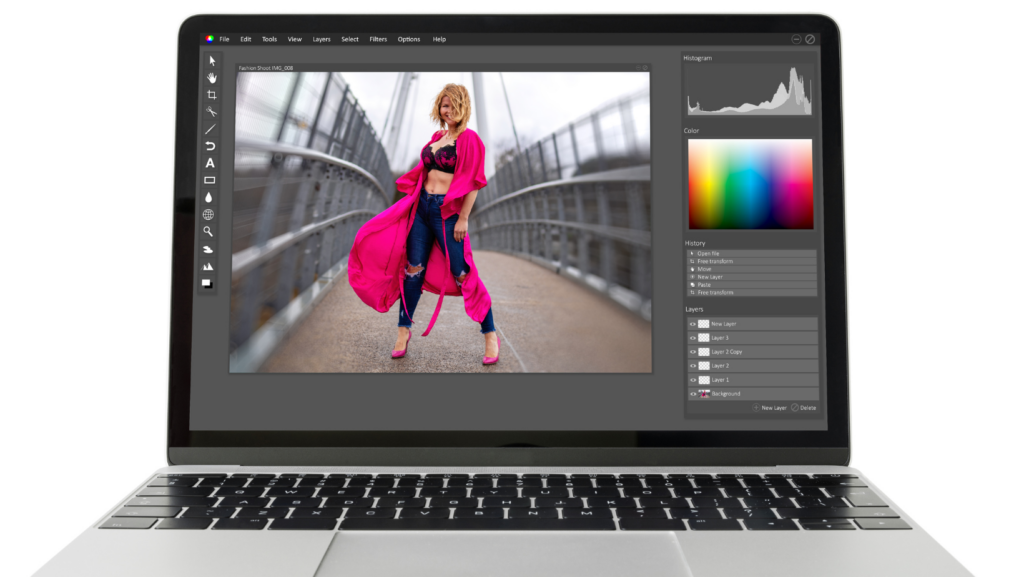
This is where modern tools become a lifesaver. You don't need a $500 photoshoot to look like a pro. Often, the difference between a "hobbyist" photo and a "top-tier" photo is simply the isolation of the subject. When you remove background to market yourself, you are essentially stripping away the noise to let your personality and your professional "vibe" take center stage. By replacing a cluttered living room or a busy street with a clean, solid color or a soft gradient, you’re telling the viewer: "Focus on me. I’m the professional here."
Beyond the Profile Pic: Visual Consistency in Content
Building a personal brand in tech usually involves more than just a LinkedIn profile. Maybe you’re writing on Medium, sharing snippets on X (formerly Twitter), or building a portfolio site. This is where "Clean Visuals" evolve from a single photo into a design system.
1. The Power of "White Space"
In tech, we love to cram information. We want to show every library we know and every project we’ve touched. But look at the most successful brands (think Apple or Stripe). They use an abundance of white space. White space isn't "wasted" space; it’s "breathing" space. Whether it’s your resume or your personal website, give your elements room to breathe. It makes your most important achievements pop.
2. Consistency Over Complexity
You don't need a complex logo. In fact, a clean, well-chosen typeface for your name is often more effective than a poorly designed icon. Pick two colors and two fonts. Use them everywhere. This visual "thread" connects your GitHub to your LinkedIn to your personal blog. When someone sees those colors, they should think of you.
3. High-Quality Screenshots
If you’re a developer or a designer, your work is your brand. When you share a screenshot of your latest app or a code snippet, don't just "print screen." Use tools that add nice padding, rounded corners, or a shadow to the window. It shows that you care about the presentation of your logic as much as the logic itself.
Practical Tips for the "DIY" Brand Builder
You might be thinking, "I’m a coder, not a designer. How do I actually do this?" The good news is that we live in the golden age of "Pro-sumer" tools. Here’s a quick roadmap to cleaning up your visual brand this weekend:
Personal Branding as a Story
I once spoke with a hiring manager at a major SaaS company who told me something that stuck: "I don't just hire for skills; I hire for the person I think will represent us well to clients."
Your visuals are a proxy for how you handle projects. If your personal presentation is messy, the assumption (rightly or wrongly) is that your documentation, your code, or your communication might be messy too. By investing time into clean visuals, you’re actually lowering the perceived risk of hiring or working with you.
Wrapping Up: It’s About Authenticity, Not Perfection
At the end of the day, clean visuals aren't about pretending to be someone you’re not. They’re about removing the "static" so that the real you can be seen clearly.
Think of it like code refactoring. You aren't necessarily changing the function of the program, but you're making it cleaner, more readable, and more efficient. Building your personal brand is just refactoring your public image. You’re the same talented person, but now, the rest of the world can see that talent without having to squint through the clutter.
So, take a look at your digital presence today. Is there a "cousin’s shoulder" you need to crop out? Is there a distracting background that’s pulling focus away from your expertise? Start small. Clean up one image, standardize one font, and watch how the perception of your professional brand begins to shift.
Happy branding!


